
Event Attendance Tips That Actually Build Your Business
Most firm owners treat event attendance as something between a professional obligation and a shot in the dark. You show up, have a few conversations, collect some cards, and follow up on nothing. Six months later, the event budget line gets questioned at the annual review. The problem is not the events. According to Hinge Research Institute's 2026 High Growth Study, networking at live events has re-emerged as one of the top five marketing techniques among the fastest-growing professional services firms (defined as those growing at a compound rate of 20% or more). On the other hand, Bizzabo's 2026 State of Events Benchmark Report found that only 15% of event organizers rate their own event’s networking as very effective. That gap between the value of showing up and the execution of what happens while you are there is exactly where most firm owners leave money on the table.
By the end of this post, you will know what to do before, during, and after an event to turn attendance into a reliable source of referral relationships and new business.
Is this event actually worth attending?
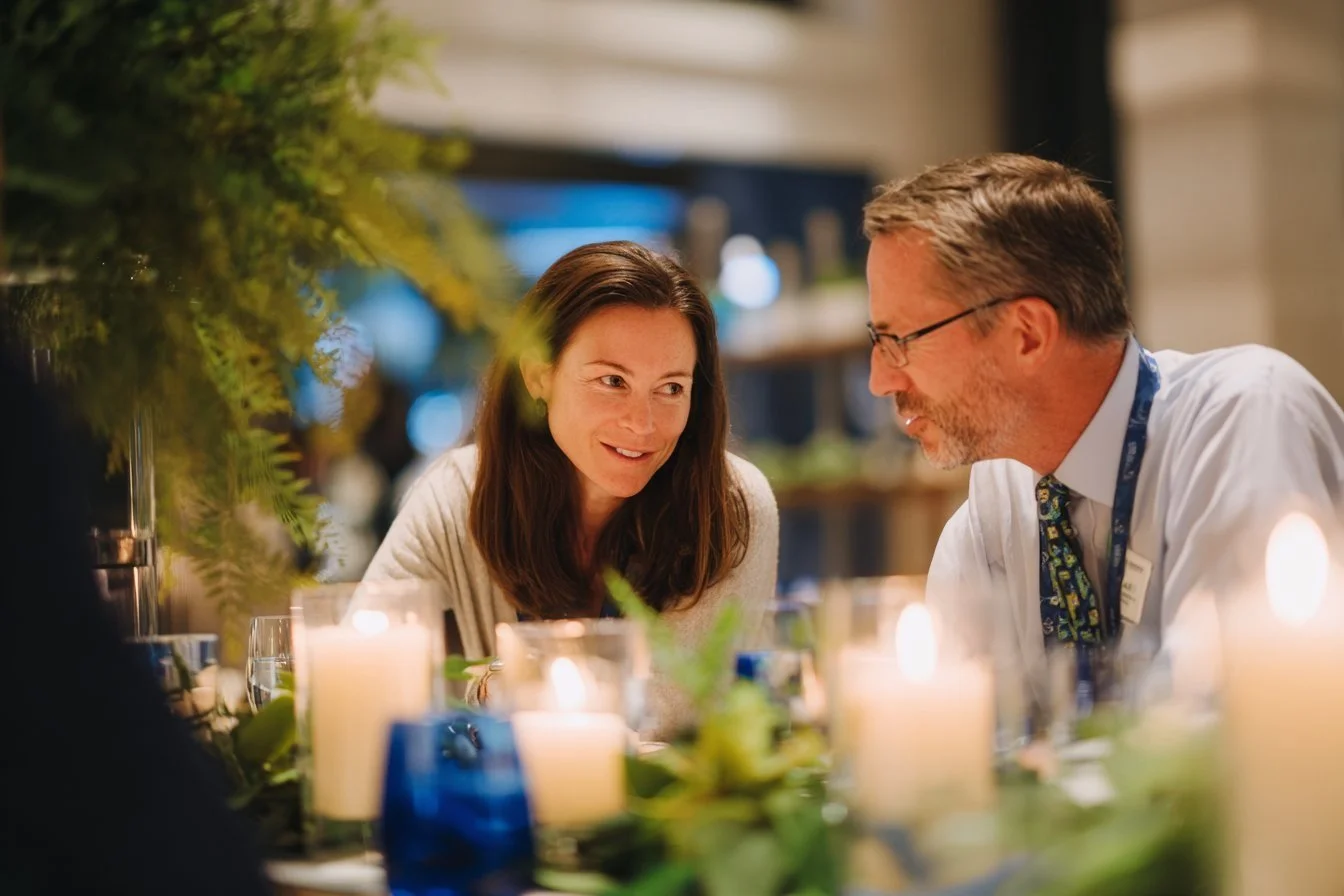
Not all events are equal and your time is not free. Before you commit three to four hours of your calendar, answer the following questions.
Does the investment fit in with your current business development and firm growth goals?
Will referral partners or potential clients be in the room?
Is the event sized for real conversation and is there structured time to talk to people?
Can you find out who is attending beforehand?
Four or more yes answers: attend. Two or more unknowns: resolve them before you commit. Call the organizers. Ask a colleague who has been before. That information is almost always available if you ask, and it will save you from walking into the wrong room.
How far out should you prepare?

You can start preparing three weeks before an event that you’re attending. The bigger the investment in the event, the further in advance you should prepare. Sometimes life gets in the way, but at the very least spend 30 minutes researching attendees and organizations you’ll want to connect with.
Set your goal in writing before you go: a specific number of meaningful conversations with a specific type of person.
Research five to eight people worth talking to using the event's LinkedIn page, member directory, or past attendee lists. Five minutes per person is enough, one specific thing about their work that you could ask them about.
Find your LinkedIn QR code now and save a screenshot to your camera roll.
Block 90 minutes in your calendar for the morning after the event and label it "follow-up." Do not leave this to chance. Event attendance value disappears because the time to follow-up is not protected or prioritized.
What do you actually say at the event?
Lead with curiosity, not credentials. Three openers that work at professional events:
"Is this your first time here?"
"How long have you been involved with this group?"
"What did you think of the presentation?"
All three create a natural entry point without front-loading your title and pitch.
Once the conversation moves, three questions carry most of the weight.
"What's keeping you busy right now?" gets people talking about what actually matters to them. "What kind of clients or work takes up most of your time?" produces more honest answers than a formal "what do you do."
"Who are you typically trying to meet at events like this?" is the most underused question in professional networking. That single question reveals whether someone is a referral partner, whether they know someone who is, and creates a natural opening for you to describe who you are looking to meet without delivering an unprompted pitch. Most people have never been asked it and answer thoughtfully.
Your goal is not volume. Three meaningful conversations with the right people outperform a full room of forgettable ones.
How do you exit a conversation cleanly?
Most event advice skips this entirely, and it costs real value. Staying too long in one conversation means missing the two or three that actually mattered. A clean exit that works: "I have really enjoyed this. I do not want to monopolize your time, but I would love to stay in touch. Can I grab your LinkedIn?" Pull up your QR code. If the conversation was genuinely high-value, propose a follow-up in the moment: "Would 20 minutes next week make sense?" Do not leave it to a future email you will talk yourself out of sending.

What do you capture immediately after each conversation?
Thirty seconds before the next one, take a note. Text note, voice note, whatever works best for you. Name, firm, role, one specific thing you discussed, your intended next step. You will have six to ten conversations over the course of an event and they will blur together on the drive home. The note does not need to be long. It needs to be specific enough that two days later you can write a personalized follow-up without guessing who you are writing to or what you talked about.
How do you turn conversations into relationships?
Within 24 hours, send LinkedIn connection requests to everyone you had a real conversation with. This usually happens at the event, so this is typically not a barrier. Personalize each one with a specific reference to your exchange. Within 72 hours, follow up with your top two to three contacts. Reference something concrete from your conversation and make a specific ask: a call, a coffee, 20 minutes to compare notes. General "great to meet you" messages produce nothing. Specificity is what gets a response.
Within one week, do a brief internal review. Who did you meet? What conversations are actively in progress? What would you do differently? For recurring local events, this debrief matters more than it does at a national conference. You will see these people again, and each time you show up more recognized and more relevant than the last.
The investment is not just the event itself. Accor's research found that professionals believe one in-person meeting carries the same impact as three virtual meetings. Most firm owners put effort into getting to the event and almost none into what happens after. That gap between the room and the follow-up is where referral relationships either form or disappear.

What if you want a system, not a checklist?
The tips in this post will improve your next event. But if you are attending four to eight events a year and want to know which ones are actually worth your time, how to build a business development calendar around them, and how to create a follow-up system your whole team can use, that is a different conversation. Craine Digital works with professional services firms to build marketing strategies around the assets and activities they already have, including events. If you want to stop guessing at event ROI and start measuring it, reach out for a free 30-minute consultation.